Cnidarians are a group of marine animals that include jellyfish, corals, and sea anemones. They are characterized by their simple, multicellular bodies and their ability to sting. Despite their simplicity, cnidarians have a complex anatomy that is fascinating to study. From their stinging cells to their digestive systems, cnidarians have evolved unique structures that enable them to thrive in a variety of aquatic environments.
For students and educators, understanding cnidarian anatomy is essential for appreciating the diversity of life on our planet. By studying the structure and function of cnidarians, we can gain insights into the evolution of animal body plans and the adaptations that have enabled these organisms to succeed in different ecosystems. One of the best ways to learn about cnidarian anatomy is through the use of diagrams and coloring worksheets, which can help to visualize the different parts of the body and their relationships to one another.
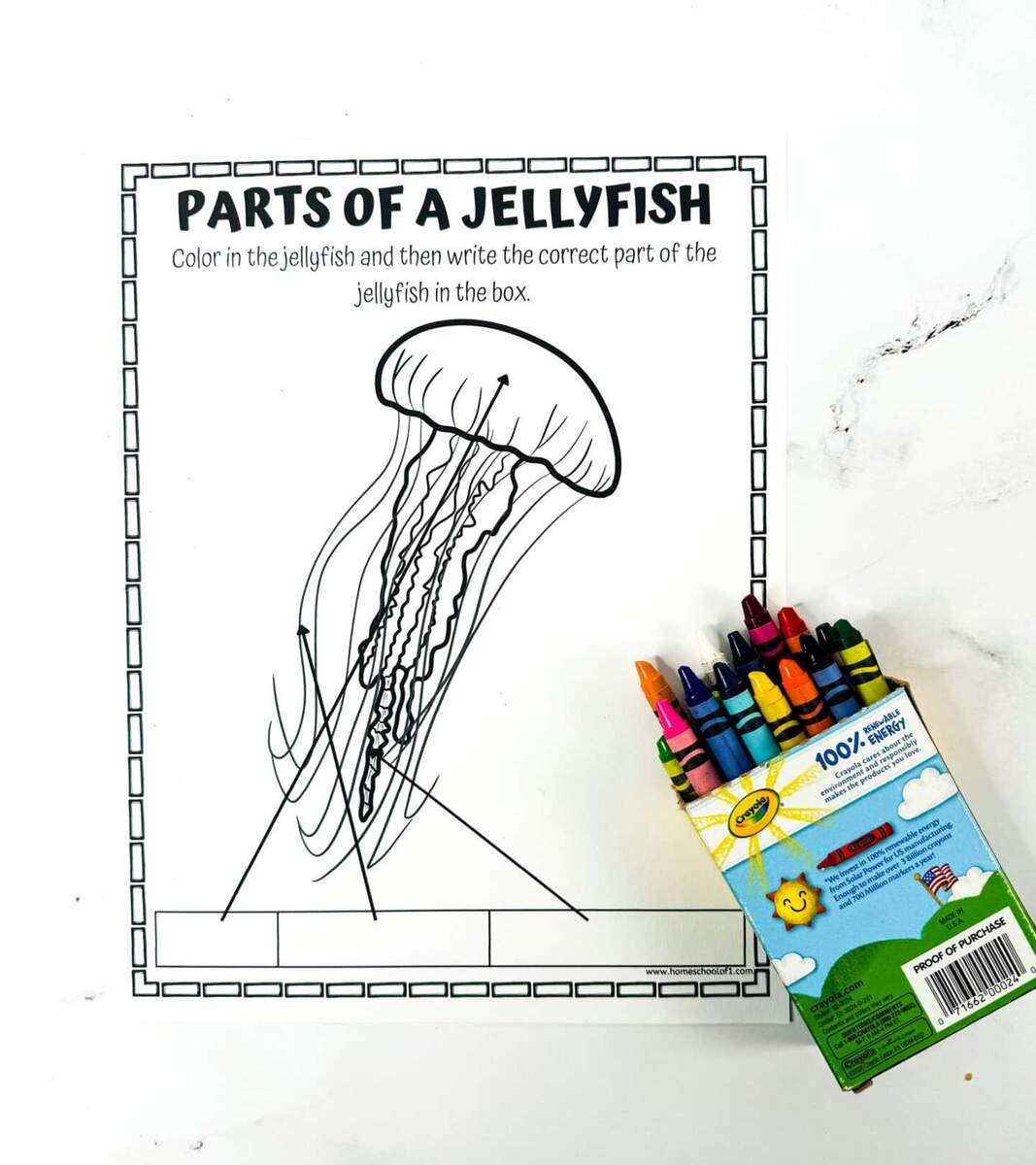
Free Parts Of A Jellyfish Worksheet
Introduction to Cnidarian Anatomy
The anatomy of cnidarians is characterized by a few key features, including a network of nerve cells, or a nerve net, that coordinates the animal’s movements and responses to stimuli. Cnidarians also have a unique body structure, with a mouth surrounded by tentacles that are used for capturing prey and defending against predators. By studying these features, we can gain a deeper understanding of how cnidarians interact with their environments and how they have evolved to occupy a wide range of ecological niches.
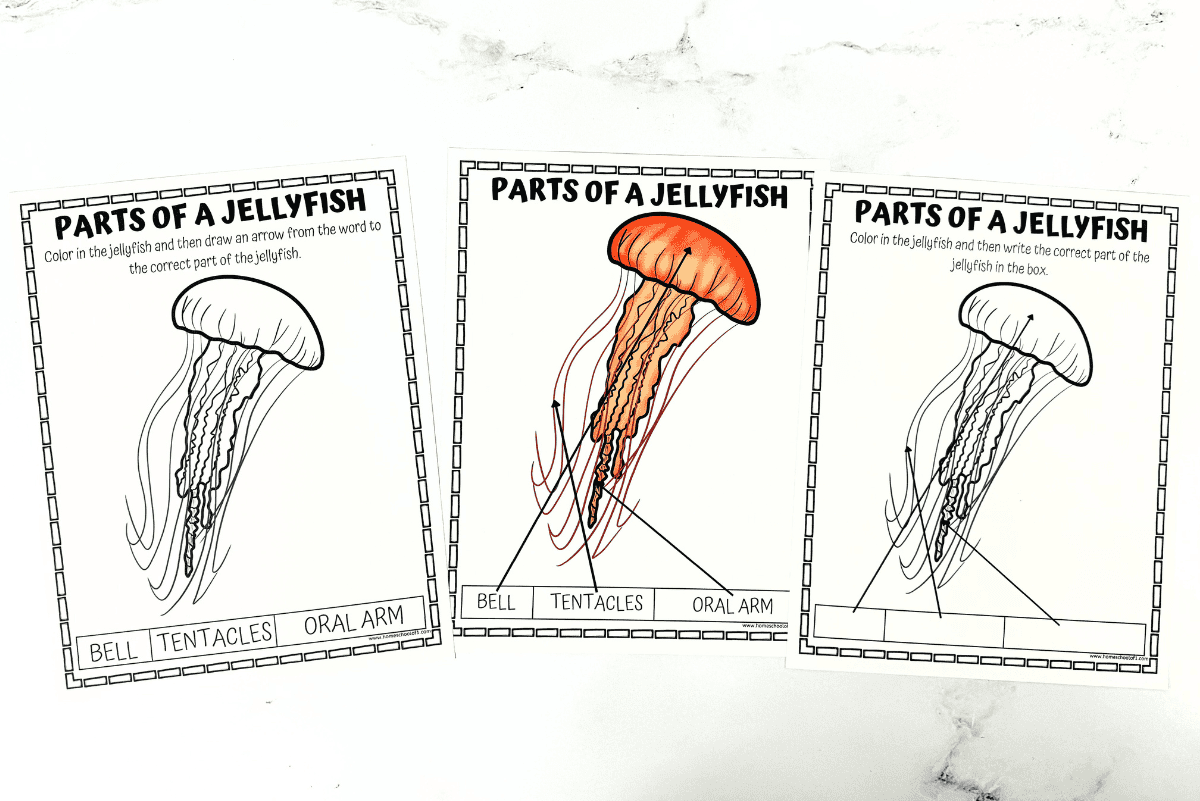
Free Parts Of A Jellyfish Worksheet
Understanding Cnidarian Body Structure
One of the most important aspects of cnidarian body structure is the arrangement of their cells and tissues. Cnidarians have a simple, two-layered body plan, with an outer layer of cells called the ectoderm and an inner layer called the endoderm. The ectoderm gives rise to the nerve net and the tentacles, while the endoderm forms the digestive system and other internal organs. By understanding how these layers are organized and how they develop, we can gain insights into the evolution of animal body plans and the diversity of life on Earth.
Using Cnidarian Anatomy Diagrams and Coloring Worksheets for Education
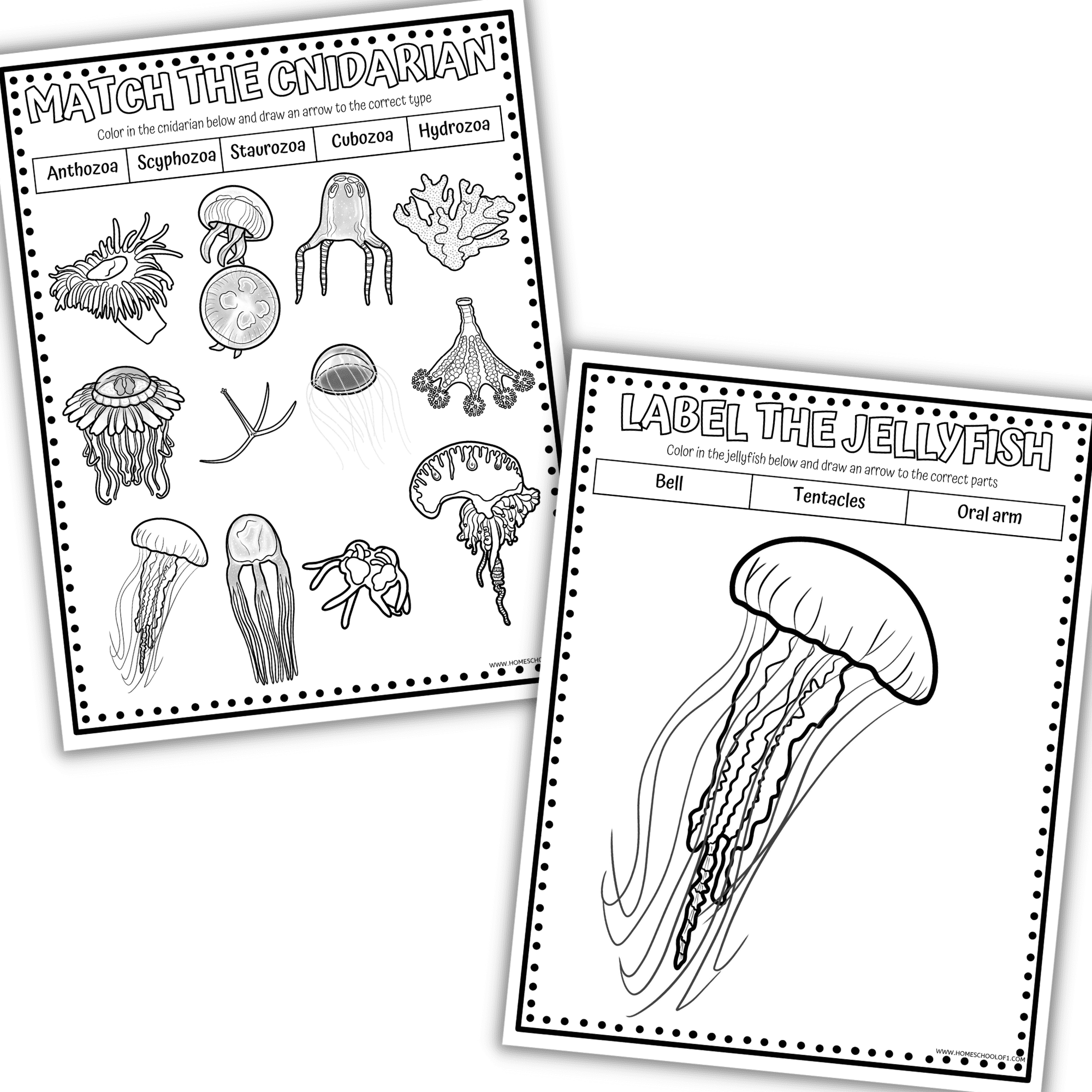
For educators, printable cnidarian anatomy diagrams and coloring worksheets are valuable tools for teaching students about the structure and function of these fascinating animals. By using these resources, students can visualize the different parts of the cnidarian body and learn about their relationships to one another. This can help to promote a deeper understanding of cnidarian biology and inspire students to learn more about the natural world. Whether you are a teacher, a student, or simply someone who is interested in learning more about cnidarians, these resources can be a great place to start.
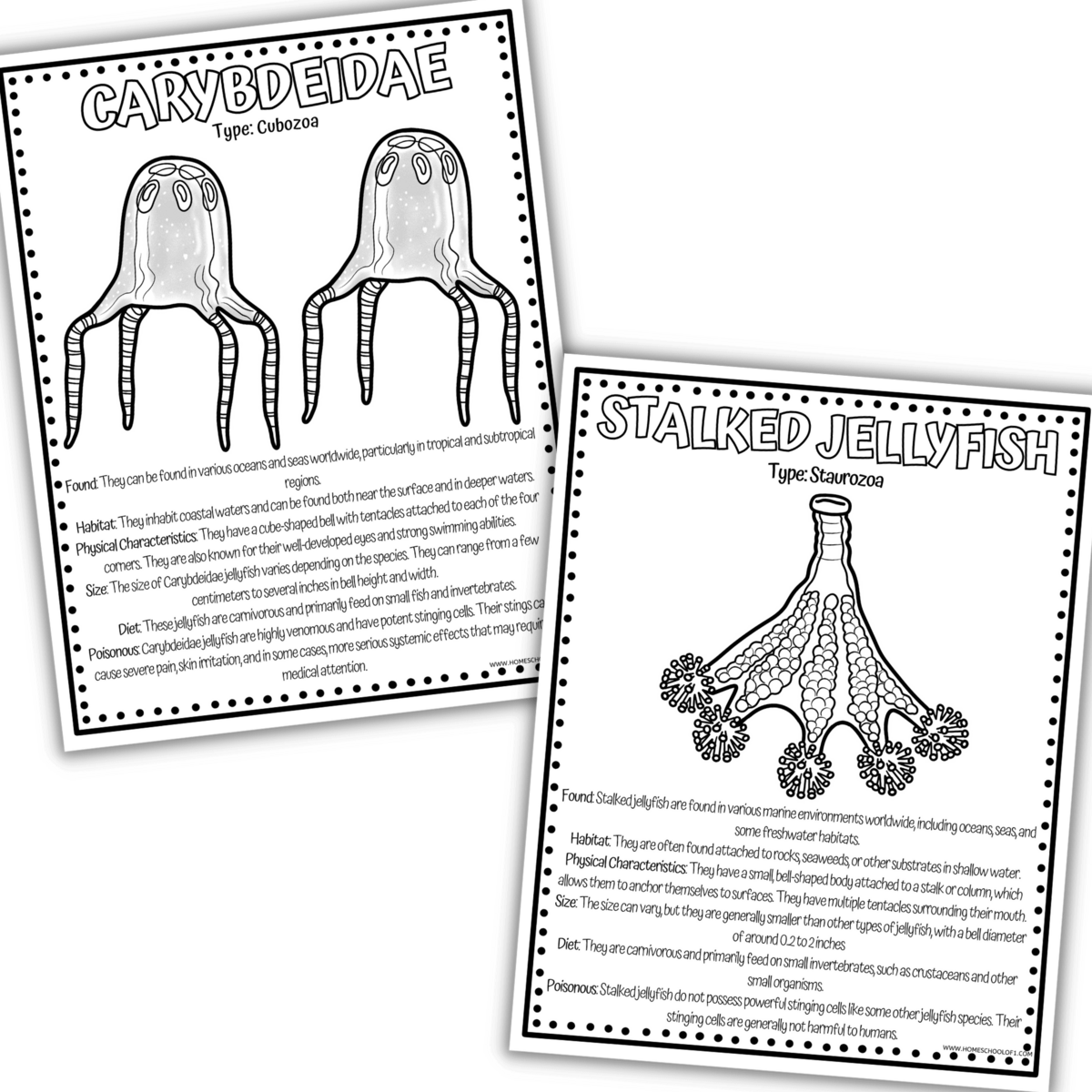
Cnidarians Jellyfish Worksheets
In addition to their educational value, cnidarian anatomy diagrams and coloring worksheets can also be a fun and engaging way to learn about these animals. By coloring in the different parts of the body and labeling their functions, students can develop a hands-on understanding of cnidarian anatomy and appreciate the beauty and complexity of these organisms. Whether you are looking for a fun and interactive way to learn about science or simply want to explore the fascinating world of cnidarians, these resources are definitely worth checking out.
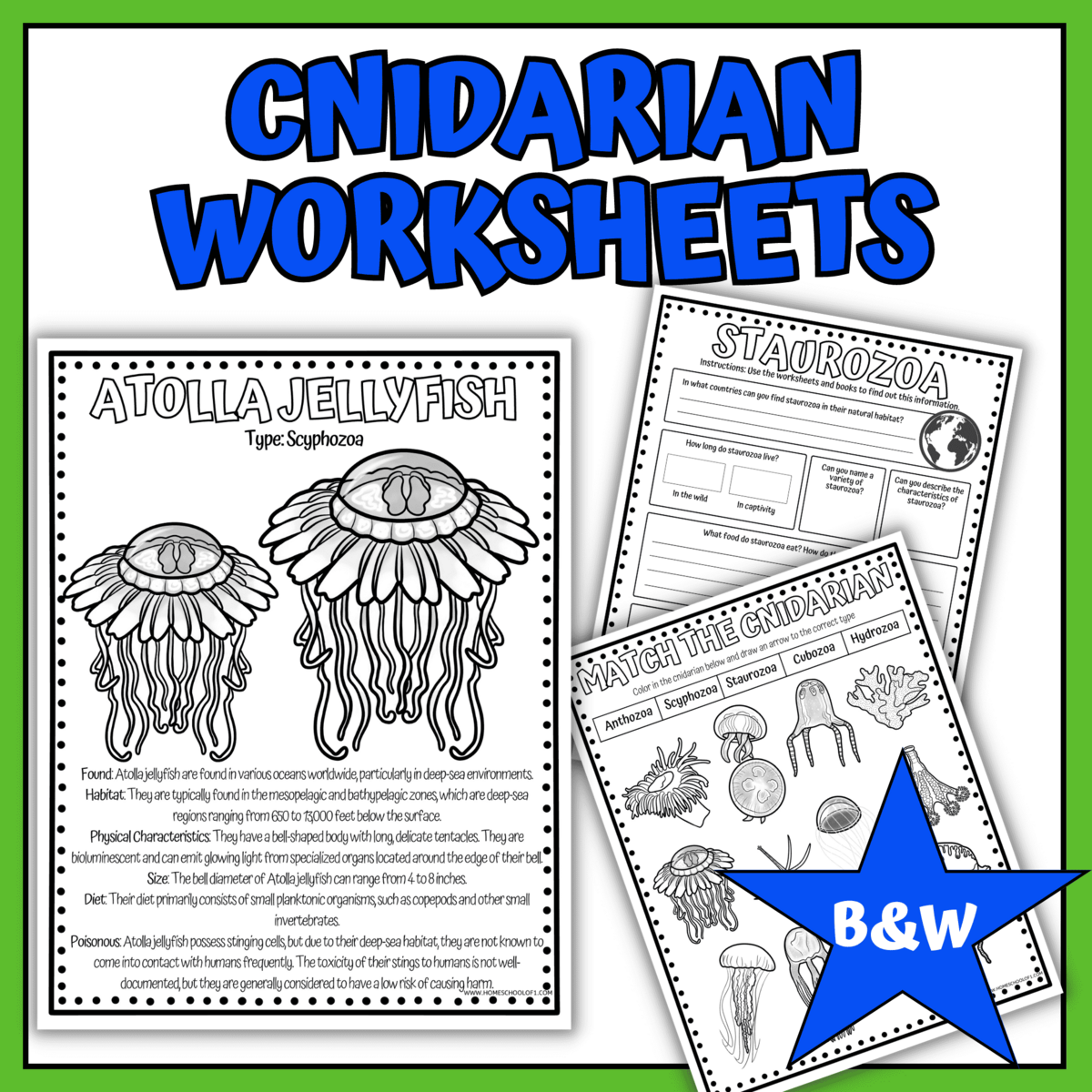
Cnidarians Jellyfish Worksheets
Cnidarians Jellyfish Worksheets